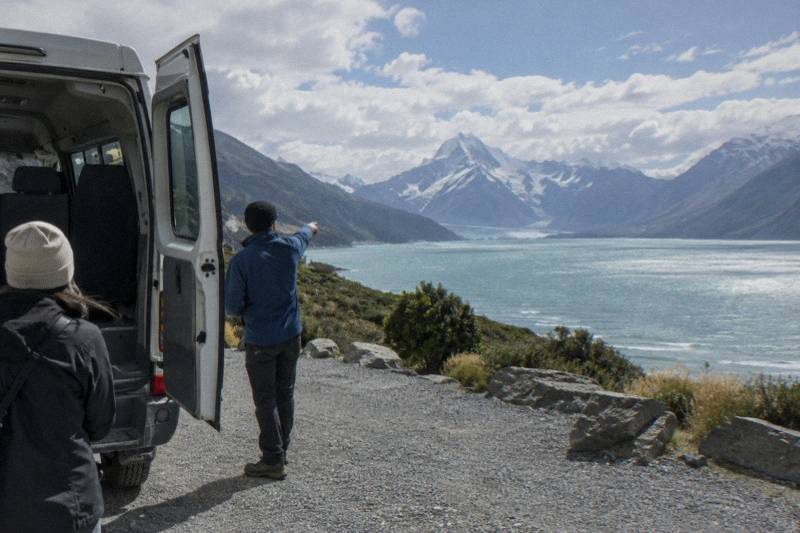
Will I See Mount Cook On A Day Tour If It Is Cloudy?
Cloud often hides Aoraki / Mount Cook. What a cloudy day still gives a day tour, how to check conditions, and what happens to bookings when the weather turns.
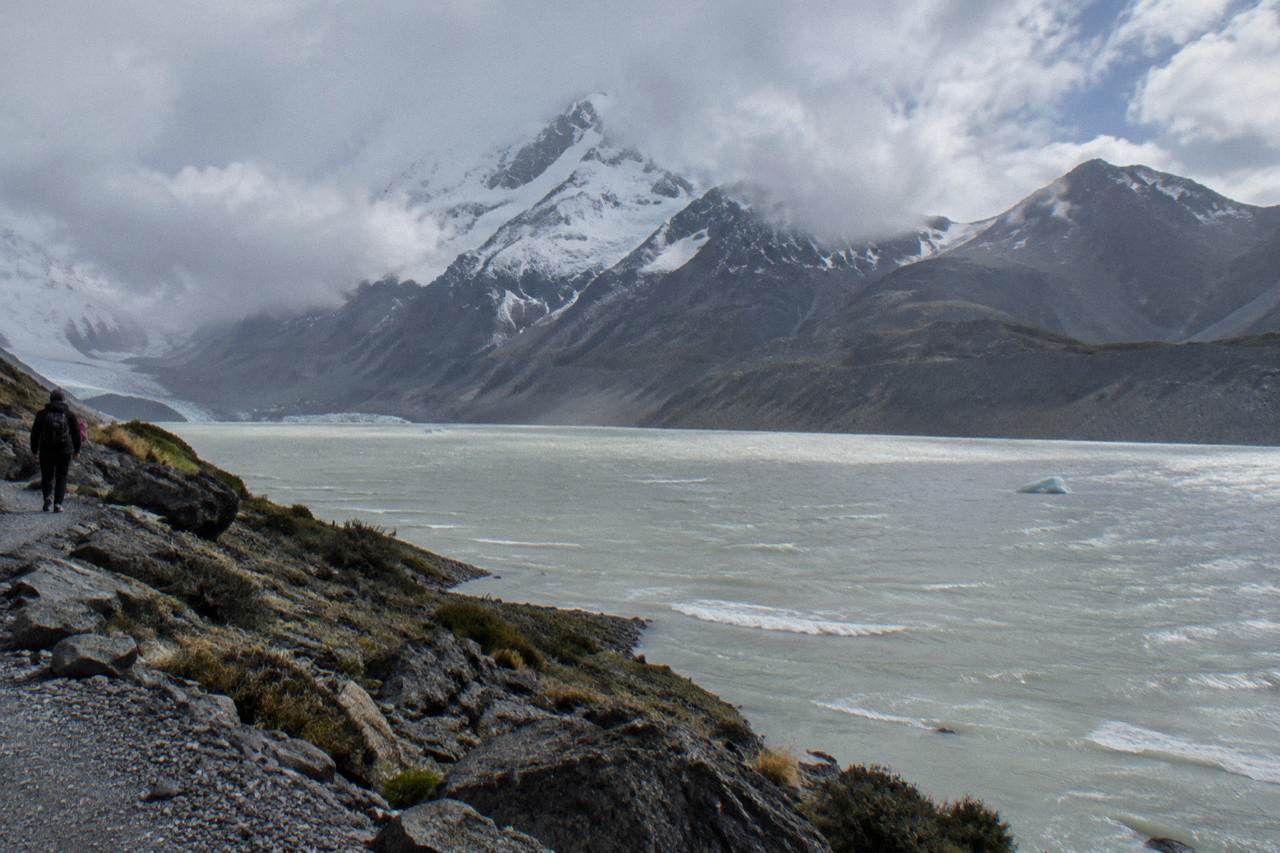
Will I see Mount Cook on a day tour if it is cloudy? It is the question that sits under almost every booking for a Mount Cook day trip, and it deserves a straight answer rather than a postcard promise. Aoraki / Mount Cook is 3,724 m tall, the highest point in New Zealand, and a mountain of that size makes its own weather. Cloud gathers on the upper slopes even on days when Lake Tekapo is bathed in sunshine and the Lindis Pass is dry. Sometimes the whole peak is out from dawn to dusk. Sometimes only the lower flanks show. And sometimes a driver returns to Christchurch with passengers who saw rock, ice and a lot of grey.
That uncertainty is not a reason to stay home. It is a reason to book the right way: know what a cloudy day still delivers, know how to check conditions before you leave, and know which tours and boat trips stay refundable when the weather calls the trip off. This article works through all three, using the verified figures for the day trips covered here and the published rules of the Glacier Explorers boat operator.
Nobody can promise you the summit. Cloud frequently hides the top of Aoraki / Mount Cook even on otherwise fine days, and no honest operator will guarantee a clear view. What a cloudy day usually still delivers is Lake Tekapo, Lake Pukaki, the Hooker Valley floor, the Tasman Glacier viewpoint and, on many grey days, at least part of the mountain between cloud bands. Book with free cancellation and check the forecast before you commit.
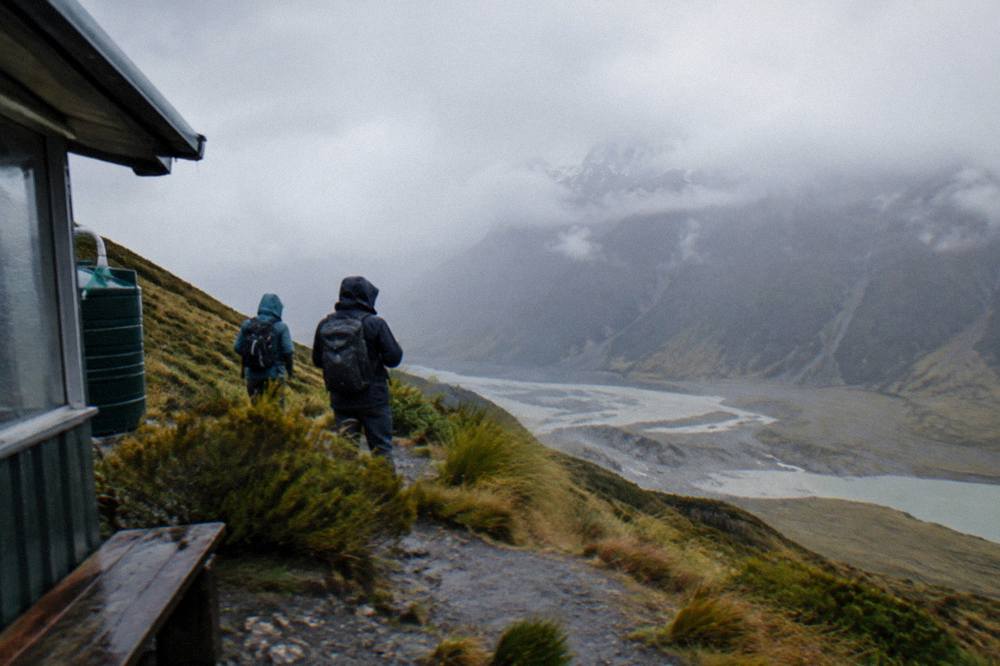
The mountain is the draw, so it is fair to be direct about it. Aoraki / Mount Cook stands 3,724 m above sea level and acts as a barrier to the moist air that moves up the Tasman valley from the west. When that air lifts, it condenses, and the result is the cap of cloud that photographers spend hours waiting to clear. On a genuinely cloudy day, the summit may stay out of view for the full time a day tour spends in the national park. That is alpine weather, and it changes fast in both directions: a morning of grey can open into a blazing afternoon, and a clear 9 am can cloud over by noon.
What matters for a day tour is that the mountain is only one item on a long list. A standard Christchurch day trip spends 13 hours on the road, and within that it touches Lake Tekapo and its little stone church, the lookout over Lake Pukaki with its improbable turquoise water, and the village itself. The Department of Conservation notes that the Tasman Glacier, 23 km long and New Zealand's largest, is clearly visible from the main highway at the entrance of the park, conditions permitting, and the lower glacier tongue carries rock cover that makes it far less dependent on a blue sky than the white summit. On a high-cloud day the Pukaki views are often outstanding, because the light stays even and the water keeps its colour.
The three most reviewed Christchurch options in the day trips covered here give a sense of what the money buys. All three are 13 hour small-group trips with hotel pickup, lunch and free cancellation up to 24 hours before start, and none of them includes the Glacier Explorers boat, which is booked separately with the operator.
| Christchurch day trip | Price from (USD, per person) | Rating and reviews | Mount Cook free time | Viewpoint walk |
|---|---|---|---|---|
| Mount Cook and Lake Tekapo day tour (NZ South Island Tours & Travel) | $144 | 4.8 across 658 reviews | 150 minutes | Yes |
| Mount Cook and Lake Tekapo day tour with lunch (Cheeky Kea Tours) | $152 | 4.7 across 467 reviews | 150 minutes | Yes |
| Mt Cook and Tekapo small-group tour with lunch (Cheeky Kiwi Travel) | $169.83 | 4.8 across 252 reviews | Free time not stated | Not stated |
Between those three, the practical differences on a cloudy day are small: each drives the same broad route, each stops at the same headline lakes, and each leaves the walks in the national park self-guided. The choice usually comes down to price, pickup point and review pool rather than weather performance, because no driver can steer a minibus around a cloud bank. For a fuller comparison of the Christchurch options, the guide to Mount Cook day trips from Christchurch breaks down the stops and timings tour by tour.
Does A Cloudy Day Ruin An Aoraki / Mount Cook Day Trip?
Usually not, since cloud still leaves you the lakes, the valley drives, the Tasman Glacier viewpoint and time in the village, and grey skies often suit those better than harsh sun. What cloud takes away is the long summit view and any photo of the full peak, yet around 150 minutes of free time at Mount Cook, the amount several of these tours allow, still covers a viewpoint walk and a hot drink.
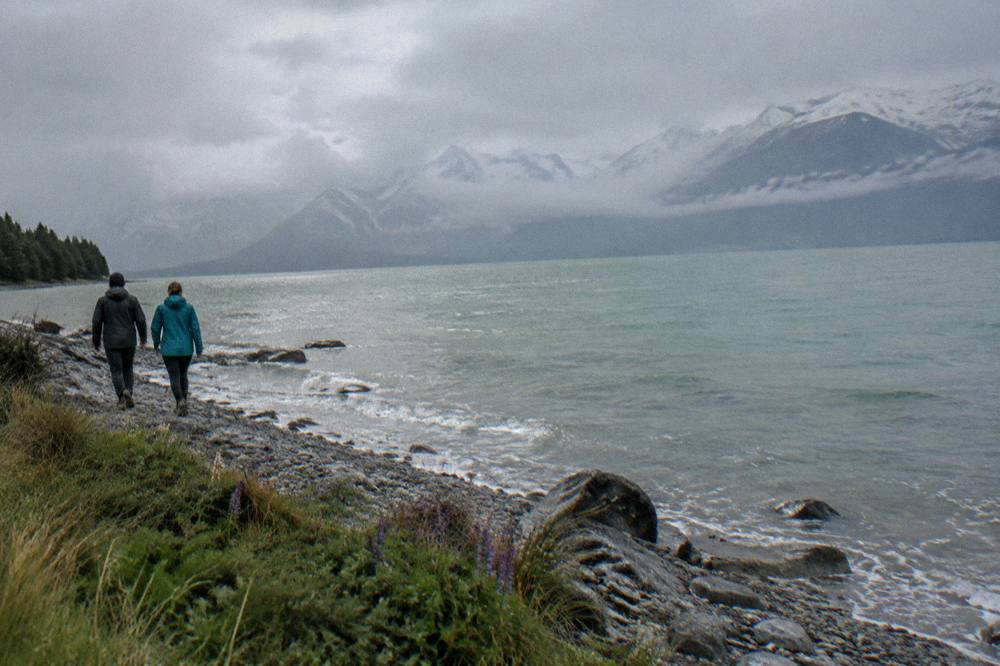
It helps to separate the day into its components. The drive from Christchurch crosses the Canterbury Plains and climbs through Mackenzie country, and Lake Tekapo sits at the heart of it. Cloud does not dim Lake Tekapo's colour much; the turquoise comes from rock flour suspended in the water, not from sunshine, and under high cloud the lake can look even more saturated because there is no glare. The Church of the Good Shepherd, the lakefront and the dog statue are all low-elevation stops that work in any weather.
Lake Pukaki is the same story at a larger scale. The lookout gives a long view north toward the mountain, and on a cloudy day the peak may be hidden while the lake still reads as a band of pale blue under grey hills. Then there is the glacier itself. DOC describes the Tasman Glacier as visible from the main highway at the park entrance, and its lower reaches are rock-covered, dark and massive rather than glittering. Cloud changes the mood of that view; it does not delete it.
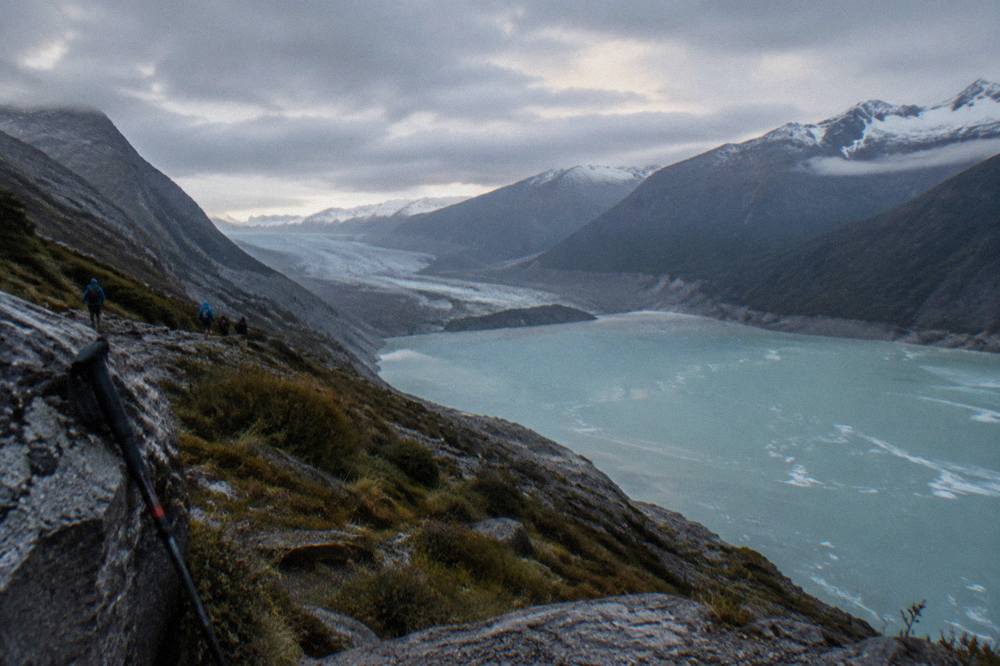
The Tasman Glacier viewpoint walk is the stop most exposed to weather disappointment, because its whole purpose is the view down onto Tasman Lake and the glacier at the far end. DOC rates the track 1.5 km return, 30 minutes return, easy to intermediate, with a short steep climb and more than 300 steps. On a day with cloud sitting high, the viewpoint still shows the lake, the moraine walls and usually icebergs in summer. On a day with cloud sitting low, it shows grey. The walk is short enough that a low morning cloud base is worth waiting out with a coffee in the village before heading up. The dedicated guide to the Blue Lakes and Tasman Glacier view walk covers the track, the steps and the green Blue Lakes in detail.
A reasonable question at this point is whether the whole idea is worth the gamble, and the honest answer is that the day stands on more than the summit. The blog piece on whether a Mount Cook day trip is worth it weighs the long drive against the stops, and the ledger does not collapse on a cloudy day.
What Can You Still See At Aoraki / Mount Cook In Cloud?
Plenty, and some of it is arguably better under grey light. Lake Tekapo and Lake Pukaki keep their colour, the Tasman Glacier's rock-covered lower tongue remains visible from the highway approach, the Hooker Valley floor and its swingbridges sit below most cloud, and the village has a visitor centre and cafes. The summit is the only element that cloud fully removes, and even it can appear in windows between cloud bands.
Working down the list of stops on a typical day tour, here is what cloud takes and what it leaves. This table is a planning summary drawn from the DOC park pages and the day trip structures, not a forecast.
| Stop on a Mount Cook day tour | Effect of cloud | Still worth the stop |
|---|---|---|
| Lake Tekapo and the church | Minimal; colour holds under high cloud | Yes |
| Lake Pukaki lookout | Summit view lost, lake view remains | Yes |
| Tasman Glacier from the highway | DOC notes it is clearly visible from the main highway at the park entrance | Yes |
| Tasman Glacier viewpoint walk | Depends on the cloud base; lake and moraine usually show | Usually |
| Mount Cook village and visitor centre | Unaffected | Yes |
| Aoraki / Mount Cook summit | Often hidden entirely | Only between cloud bands |
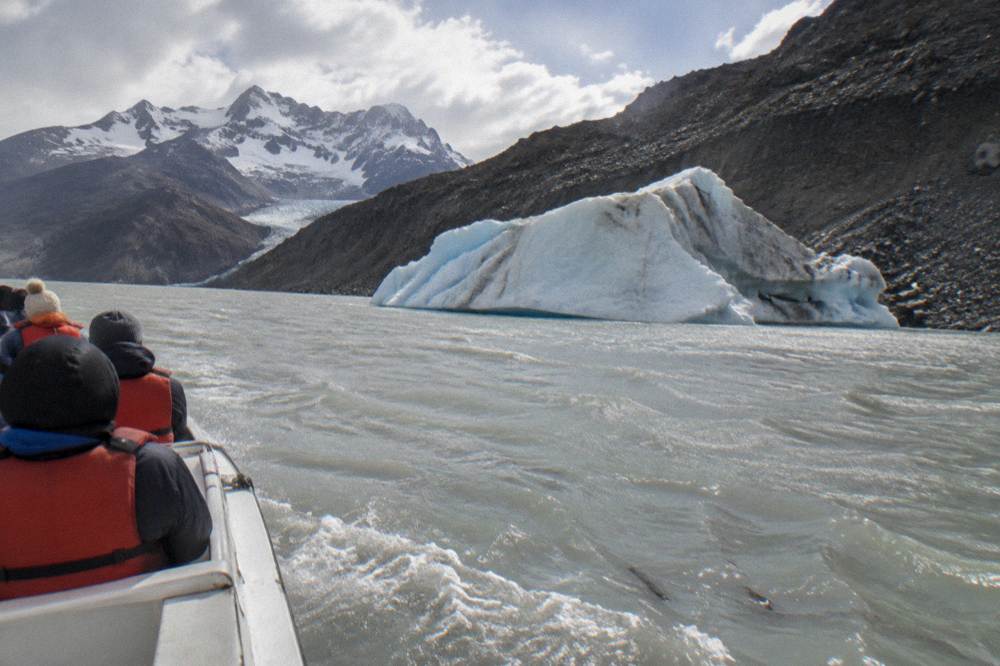
Two things in that table deserve emphasis. First, the glacier is not the summit. The Tasman Glacier runs 23 km down the valley, up to 3 km wide, and its lower portion is mantled in grey rock, which is why DOC can describe it as clearly visible from the main highway. Visitors sometimes arrive expecting a wall of white ice and instead read the glacier as a long dark tongue between moraine ridges; cloud does very little to that impression. Second, Tasman Lake itself, which did not exist until 1974 and is growing as the glacier retreats, is often visible from the viewpoint with icebergs on it in summer, and a flat grey sky can actually show the water and the bergs with less glare than a blue one. The story of that lake and the retreat that created it is told in the guide to Tasman Glacier retreat and the lake.
The village also carries the Sir Edmund Hillary Alpine Centre, which one Queenstown tour includes and others leave to book separately, and on a genuinely wet afternoon it is a legitimate way to spend an hour. The Department of Conservation's Aoraki / Mount Cook National Park page lists the village facilities, from the day shelter to the visitor centre, and it is the right source for track status on the day.
How Often Is The Summit Hidden, And When Is It Most Likely To Show?
There is no honest number for how often the summit is cloud-free, because no official source publishes one, and any percentage quoted on a booking page should be treated as marketing. What is documented is the pattern: Aoraki / Mount Cook builds its own cloud from moist westerly air, clear spells come in windows rather than whole days, and early morning tends to be the friendliest part of the day for a summit view, though no source puts a number on that.
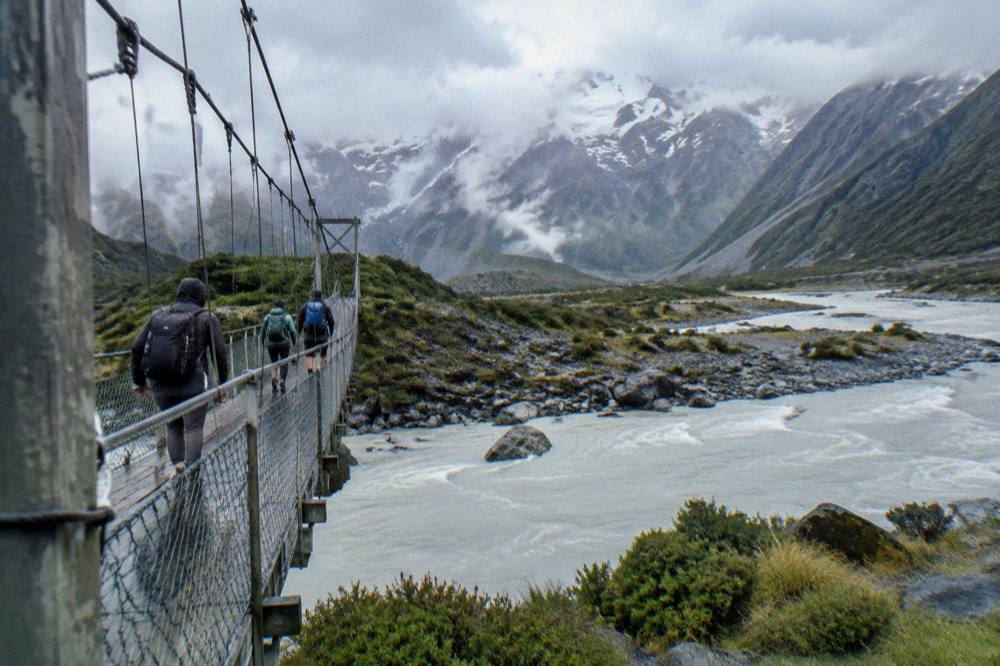
What can be said, in general terms, is that the peak generates cap cloud when westerly air is forced up its flanks, and that the cloud base rises and falls through the day. A summit invisible at 10 am can be fully out at 2 pm, and the reverse happens just as often. Guides talk about windows: the mountain reveals itself in episodes measured in minutes, and a day trip with three or more hours in the park has more chances to catch one than a flying visit.
Timing is the one lever a day-tripper controls. Some visitors prefer morning departures and morning boat trips, though cloud can build or clear at any hour. The drive-time figures matter here too. DOC allows 4.5 hours from Christchurch and 3.5 hours from Queenstown to the park, with 1 hour 30 minutes of driving from Tekapo, so check each listing's itinerary for its arrival time. Neither arrival slot owns the mountain, but both sit inside the day's first clearing windows often enough to matter.
The other lever is expectation. If the summit is the single reason for the trip, plan a stay of two nights in or near the village rather than one long day, because a 13 hour round trip from Christchurch buys a few hours of odds. If the summit is the crown on a day of lakes, valleys and a glacier viewpoint, then a cloudy outcome costs less. The Hermitage Hotel publishes a live webcam pointed at the mountain, and checking it on the morning of travel, alongside the forecast, tells you more than any article can.
Can You Check The Conditions Before You Book Or Leave?
Yes, and it is worth doing twice: once when you book, and once the evening or morning before you travel. The two best free tools are the MetService mountain forecast for Aoraki / Mount Cook National Park and the Hermitage's live webcam on the peak. Road conditions matter too, because snow can close State Highway 80 into the park between June and September, and NZTA's journey site carries the live status.
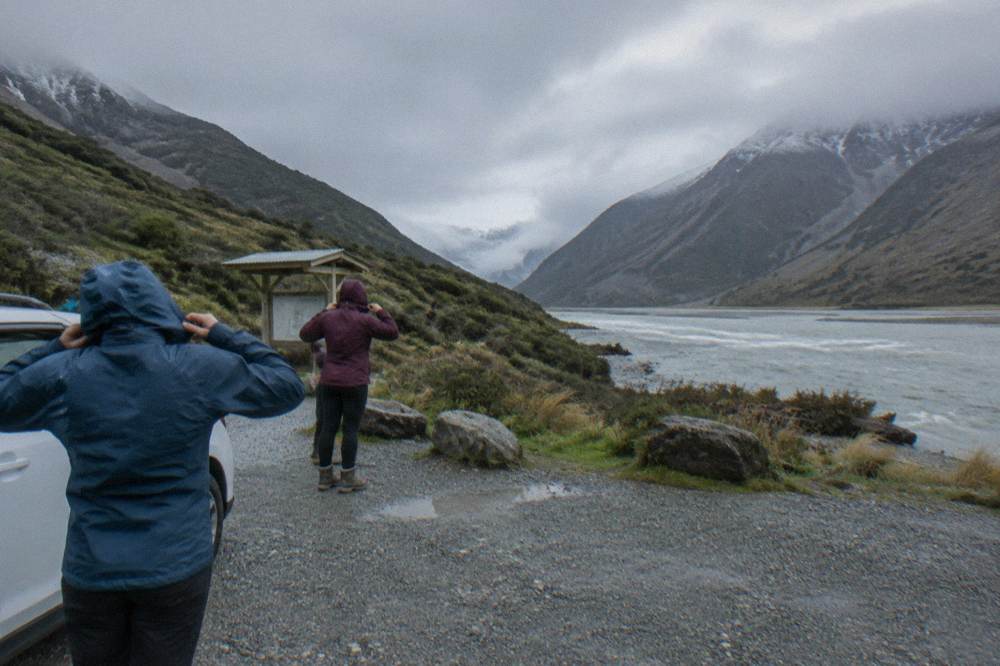
MetService, New Zealand's national forecaster, publishes a dedicated mountain and park forecast that covers Aoraki / Mount Cook, with freezing levels, wind and rain expectations for the alpine zone. That page, at metservice.com, is more useful for this decision than a city forecast for Christchurch or Queenstown, because the mountain makes its own rules a valley forecast never captures. Read it for the wind at altitude and the freezing level; a strong northwesterly with a high freezing level is the classic summit-hiding pattern.
The webcam adds ground truth. The Hermitage camera shows the peak live, and on the morning of a tour it answers the only question that matters: is the mountain out right now, and is the cloud base rising or falling. Combine that with the NZTA highway conditions page for SH80 in the winter months, and a traveller has a fair picture before the minibus leaves.
The practical booking question is what happens if the picture is bad. Every day trip in the group covered here offers free cancellation up to 24 hours before start, so the refundable window closes the day before, not the morning of. That makes the evening-before check the decision point: forecast grim, cancel or rebook without penalty; forecast mixed, go, because mixed is the normal state of affairs in the Southern Alps.
What Happens To The Glacier Explorers Boat Trip In Bad Weather?
The Glacier Explorers boat trip on Tasman Lake can be cancelled for weather and lake conditions, and the operator's Head Guide makes that call just before each departure; when that happens, an alternative trip time or a full refund is offered. The boat is booked separately, directly with the operator by phone or email, and no day trip includes it. Check the cancellation terms when you book.
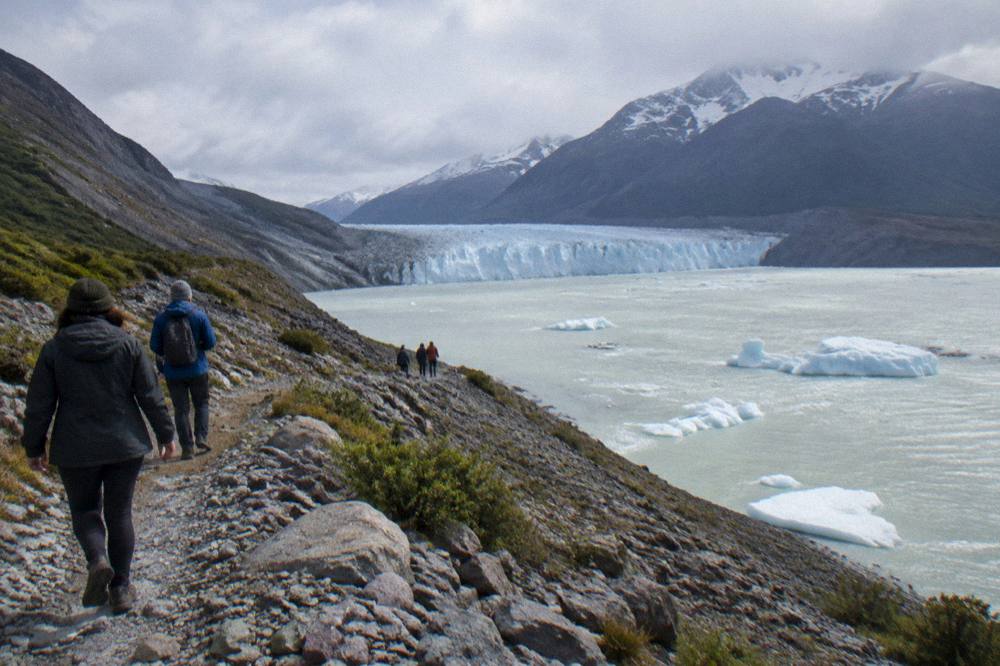
This is the one booking in the valley where weather has formal, published consequences rather than just aesthetic ones. Glacier Explorers, operated by The Hermitage, runs about 2 hours 45 minutes door to door including transfers, the 1.5 km alpine walk to the lake and roughly an hour on the water. If the Head Guide judges the weather or lake unsafe, the trip does not sail, and the operator's stated remedy is a reschedule or a full refund. Anyone combining a day trip with the boat should check the day trip's time at the village against the boat's 30 minute check-in and its 2 h 45 min length, and confirm timing with both operators; on the day trips covered here, only the Queenstown scenic Mount Cook tour, with 210 minutes of free time, leaves that much slack on paper, and even there the arithmetic needs checking against the specific departure.
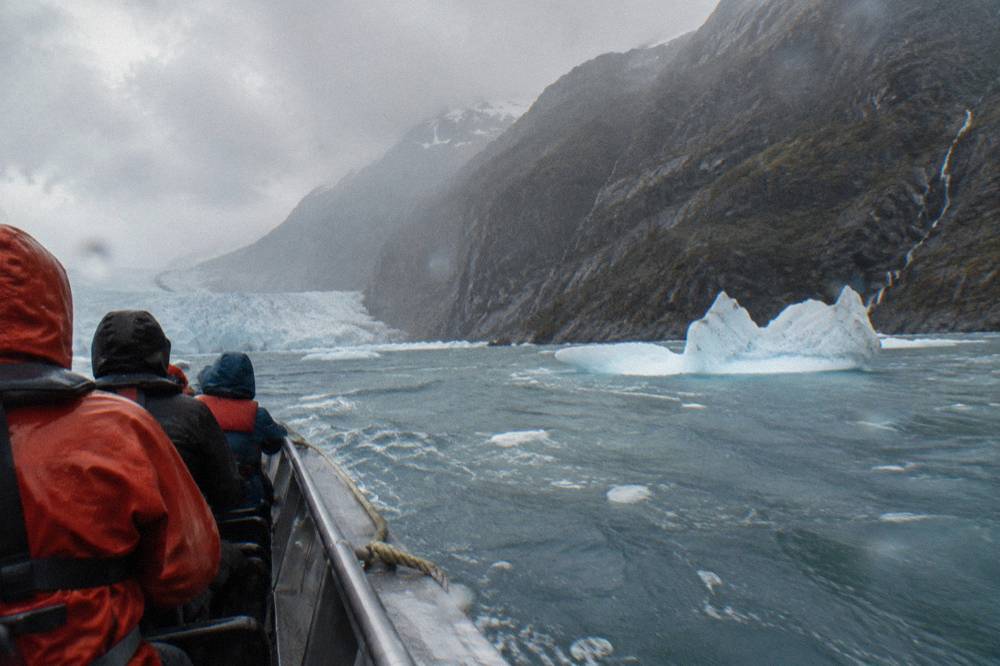
Cloud alone rarely stops the boat; wind and lake state are the deciding factors, and a flat grey day can still deliver a full trip among ice. The operator is explicit that icebergs, calvings and rollovers cannot be guaranteed, in any weather, because the quantity and size of ice varies with glacier activity rather than sky conditions. Prices are set by the operator: from NZ$219 for adults aged 15 and over, from NZ$99 for children aged 4 to 14, and a family pass from NZ$576 for two adults and two children, all bookable by phone or email only through the operator's Glacier Explorers page. Season matters too: the operator now describes the trip as year-round, but winter lake ice can close the boat, so check winter dates with the operator before planning.
For the day trips, weather almost never cancels the tour outright. Buses run in rain, and the lakes look good in it. The realistic worst case on a Christchurch or Queenstown day trip is not cancellation but a summit-free day, which is exactly the scenario this article opened with.
Which Day Trips Keep The Most Flexibility If The Forecast Turns?
Every day trip covered here offers free cancellation up to 24 hours before start, so all of them can be rebooked penalty-free the day before. Beyond that, flexibility comes from the structure of the day: shorter round trips from Lake Tekapo spend less time committed to one weather window, and tours with more free time at Mount Cook, such as 150 or 210 minute allowances, give cloud more chances to clear while you are already there.
The Tekapo-based options make the clearest case for weather flexibility. The Tekapo Shuttle day tour via Pukaki and Tasman Lake runs 8.5 hours total, from $94 per person, rated 4.8 across 441 reviews, and includes the Tasman Glacier viewpoint walk. With DOC quoting 1 hour 30 minutes of driving between Tekapo and the Tasman valley, a big share of that 8.5 hours is spent in or near the park rather than on a motorway, and a traveller based in Tekapo can watch the webcam over breakfast and make a same-morning judgment about a second day instead. The Cheeky Kea carbon-neutral small-group tour from Tekapo, 5 hours total with 150 minutes of free time at Mount Cook and lunch included, is the shortest commitment of all, from $152, rated 4.4 across 58 reviews.
From Queenstown, the scenic Mount Cook day tour run by Altitude Tours allows 210 minutes of free time in Mount Cook Village, the largest window of any tour in the group, from $160 per person, rated 4.7 across 310 reviews, with hotel pickup included. That window is the single best hedge against cloud in the whole day-trip set: three and a half hours in the village is enough to walk the viewpoint track twice, wait out a shower, and still catch a clearing. The Cheeky Kiwi Aoraki Mount Cook National Park small-group tours, both from $158.47 and both rated 4.9, one across 445 reviews and one across 351, take a 12 to 13 hour day with a 180 minute stop at the park, a similar hedge with a longer drive.
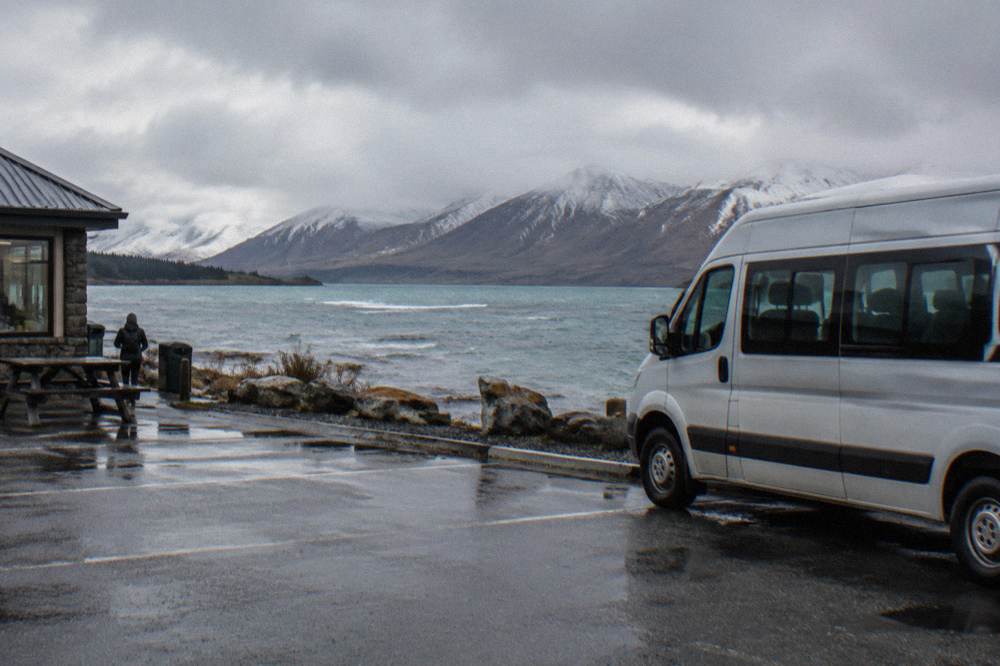
The most reviewed of them, at 4.8 across 658 reviews from $144, is the Mount Cook and Lake Tekapo day tour covered throughout this article, with Dedicated Minibus, Hotel Pickup the honest way to see the next departure dates. A reader deciding purely on weather odds might prefer the full comparison in the guide to which Mount Cook day trip leaves time for the boat, which sets the free-time figures side by side.
Should You Book A Day Tour If The Forecast Says Cloud?
Yes, book it, as long as the booking is refundable and your expectations stay honest. Cloud is the default state of an alpine sky, and the lakes and glacier views survive it just fine. Every tour in this group cancels free up to 24 hours out, so the only real risk is a non-refundable add-on or betting everything on the summit.
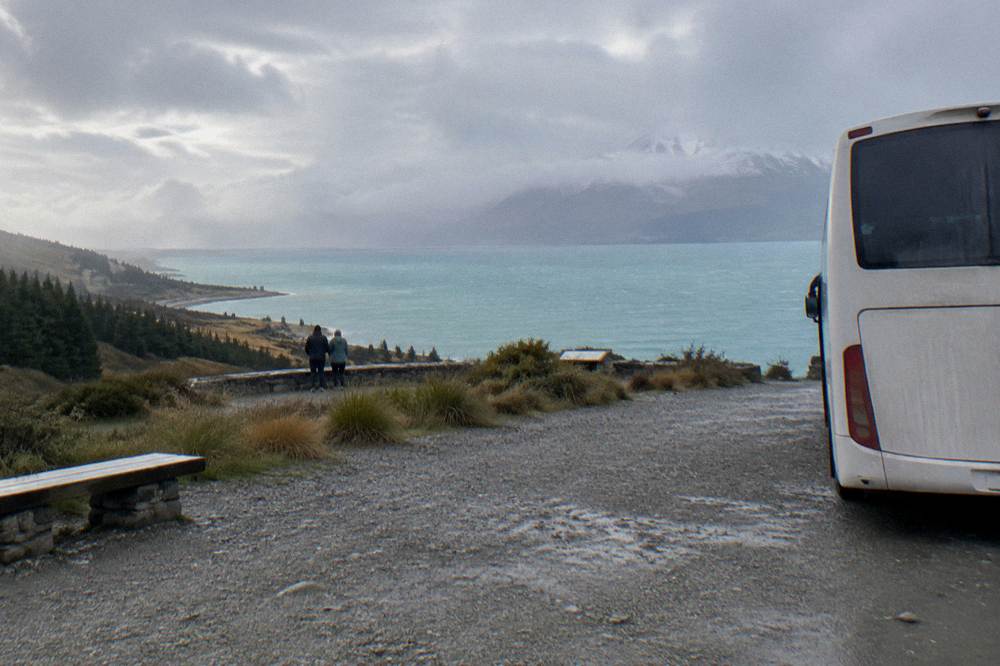
The 24 hour cancellation rule, shared by every day trip in this group, reframes the whole decision. Booking a Mount Cook day tour is not a bet on a forecast made weeks out; it is an option on a forecast you can read the evening before. Cloud forecast, cancel free. Mixed forecast, go: the Tekapo and Pukaki stops alone carry the day, the viewpoint walk costs 30 minutes, and a summit window, if it comes, comes as a bonus. For the same reason, book accommodation in the Mackenzie for a night or two if the summit genuinely matters, because two mornings of odds beat one afternoon of them.
One final note on the boat, because cloud questions and boat questions arrive together: the Glacier Explorers trip is a separate, direct booking with the operator, never an inclusion of a day tour, and its weather rule is generous (reschedule or full refund when the operator cancels), but its dates and departures need confirming by phone or email. The full picture of the boat's cost, walk and season sits in the guides to the Glacier Explorers Tasman Lake boat trip and how to book the Tasman Glacier boat tour, alongside the wider planning picture at Tasman Glacier Boat Tour.
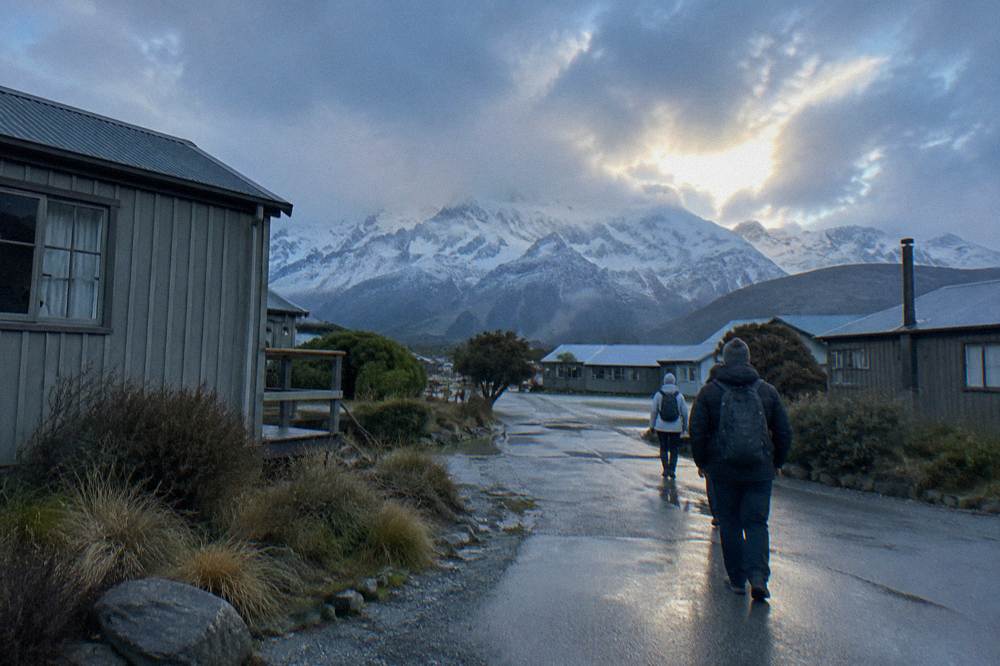
A cloudy day at Aoraki / Mount Cook is a normal day at Aoraki / Mount Cook. Book refundable, check MetService and the webcam the night before, give the mountain as many hours at close range as the day allows, and let the summit be the gift rather than the purchase.
Common Questions About Mount Cook In Cloud
Will I See Mount Cook On A Day Tour If It Is Cloudy?
Possibly, but no one can promise it. Cloud often hides the 3,724 m summit even on fine days, and the mountain tends to appear in windows rather than for whole days. The lakes, the glacier views and the viewpoint walk all survive cloud, so the day is rarely a write-off.
Does A Cloudy Day Cancel A Mount Cook Day Tour?
Almost never. Day trips run in rain and cloud, and every tour covered here offers free cancellation up to 24 hours before start if you decide the forecast is not worth it.
Is The Tasman Glacier Visible When The Summit Is In Cloud?
Often yes. DOC notes the glacier, 23 km long, is clearly visible from the main highway at the park entrance, and its lower reaches are rock-covered rather than white, so cloud changes the mood of the view rather than removing it.
What Is The Best Time Of Day To See The Summit?
Mornings tend to give the mountain its best odds before afternoon cloud builds, which favours tours that arrive in or before late morning. No time of day carries a guarantee.
Does Cloud Cancel The Glacier Explorers Boat Trip?
Cloud alone usually does not; wind and lake conditions are the deciding factors. If the operator's Head Guide cancels, an alternative trip time or a full refund is offered. The boat is booked separately with the operator, not through a day tour.
How Can I Check Mount Cook Conditions Before Travelling?
Use the MetService alpine forecast for Aoraki / Mount Cook National Park and the Hermitage's live webcam on the peak, and in winter check the NZTA journey site for State Highway 80 snow closures.