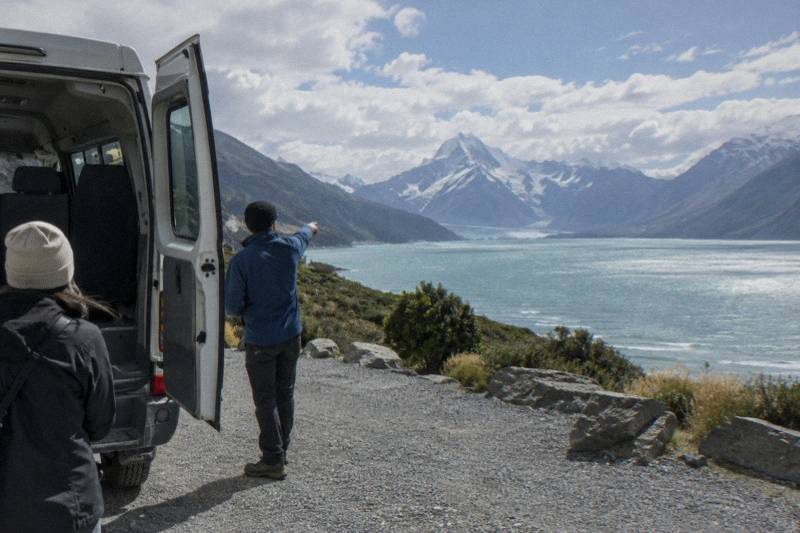
What To Wear On The Tasman Glacier Boat Trip
The operator asks for warm layers, sturdy walking shoes for uneven terrain, a waterproof jacket, sunglasses and sunscreen. Here is what that means in practice for the walk and the lake.
Short answer
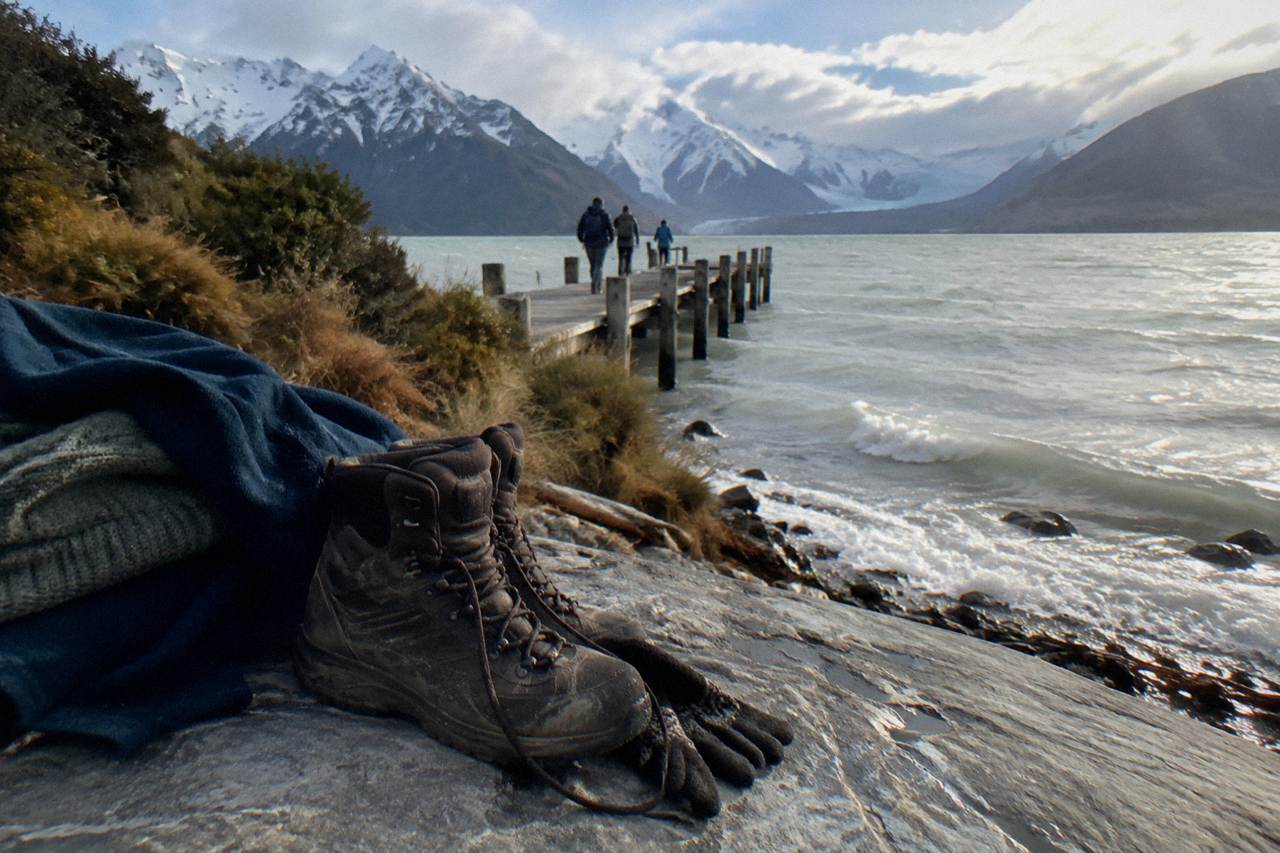
Wear warm layers you can add and remove, sturdy walking shoes with grip for a rocky 1.5 km track, and a waterproof jacket over everything. Bring sunglasses and sunscreen even on grey days. The operator provides additional equipment where required. Adults pay from NZ$219, children aged 4 to 14 from NZ$99, booked directly with the operator.
Aoraki / Mount Cook sits at 3,724 m, New Zealand's tallest peak, and the weather in its valley changes faster than most visitors expect. The Glacier Explorers boat trip on Tasman Lake puts you in that weather twice: once on a 1.5 km alpine walk down to the lake edge, and again for about an hour on open water at the foot of New Zealand's longest glacier. Getting the clothing right is not a matter of comfort alone. The operator states plainly that guests must be fit and able to walk the 1.5 km to and from the lake edge in 25 minutes each way, over uneven ground, so what sits on your feet matters as much as what sits on your shoulders. Once the boots and layers are sorted, the guide to the Glacier Explorers Tasman Lake cruise covers pricing, trip length, and how to reach the departure point.
This guide covers the operator's own clothing guidance, what the walk demands, what the lake air does to temperature, and how packing changes if the boat trip is one part of a longer Mount Cook day. The boat is booked separately, directly with Glacier Explorers by phone or email through the operator's page; no day trip includes it, and the operator recommends pre-booking because of high demand. For the wider picture of the trip itself, see the Glacier Explorers Tasman Lake boat trip guide.
What Should You Wear On The Tasman Lake Boat Trip?
The operator's clothing list is short and specific: warm layers, sturdy walking shoes suitable for uneven terrain, a waterproof jacket, sunglasses and sunscreen. Additional equipment is provided where required. That combination covers the two climates of the trip, the exposed alpine track and the cold air on Tasman Lake, and every item on it earns its place across the roughly 2 hours 45 minutes the whole experience takes. If you're planning a full day around the village, the detailed packing guide for a Mount Cook day trip spells out what the tours already supply and what to bring along yourself.
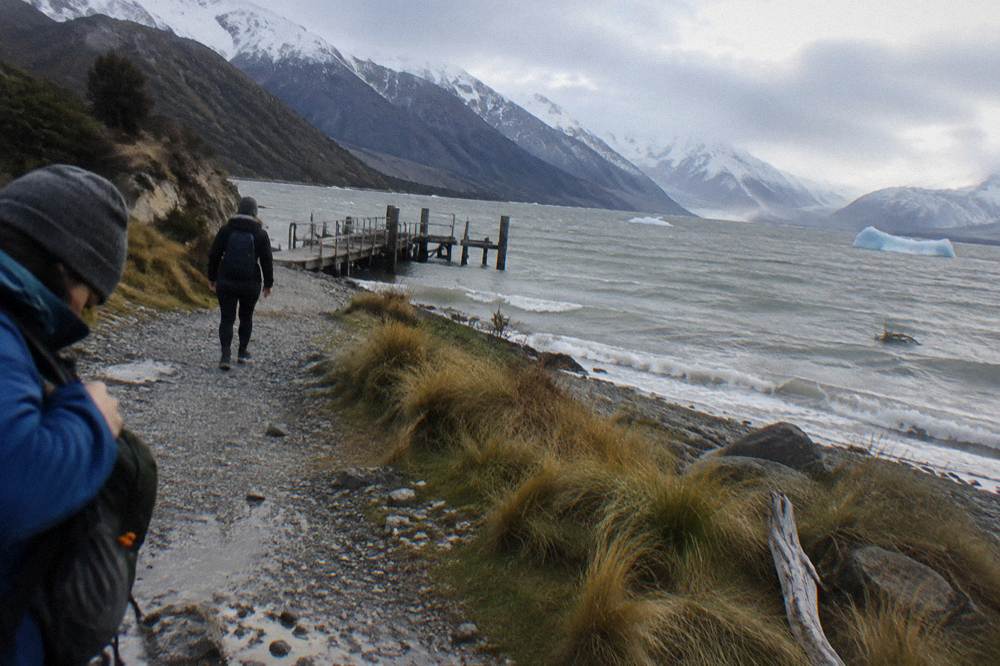
Warm layers is the instruction people most often underdo. The boat departs from a valley that can feel mild in the village and biting on the water, and the trip spends about one hour on the lake itself with no shelter from wind coming off the ice and rock. Layering suits this trip because it moves between three states: the alpine walk to the jetty warms you up, the wait before boarding cools you down, and the hour on the lake sits still while the cold settles in. A base layer, a warm mid layer such as a fleece or insulated jacket, and a shell you can open or close gives you control at each phase.
A waterproof jacket is listed separately from warm layers, and the distinction matters. Mountain weather moves fast here, and wind on the lake can carry spray, so conditions out on the water can feel very different from those on shore. The jacket is your windproof layer as much as your rain layer, which is why it goes over everything rather than being packed away for showers. The mountain forecast is worth reading before you choose your layers, and the MetService national park page for Aoraki / Mount Cook gives the alpine outlook that valley weather apps often miss.
A simple packing set for the day of the trip:
| Item | Why The Operator Lists It | Where It Earns Its Keep |
|---|---|---|
| Warm base layer | Heat retention during a stationary hour on the lake | On the boat |
| Fleece or insulated mid layer | Adjustable warmth across walk, wait and cruise | All phases |
| Waterproof jacket | Wind and spray protection over open water | On the boat, the jetty |
| Sturdy walking shoes | Uneven surface, loose rocks, steep final slope | The 1.5 km track each way |
| Sunglasses | Glare off the lake surface and rock moraine | The walk and the boat |
| Sunscreen | Strong UV at altitude, reflected off snow and water | All phases |
One point of honesty about the water itself: the operator is clear that icebergs, calvings and rollovers cannot be guaranteed. Conditions permitting, guides often retrieve glacier ice from the lake so guests can see and handle it, which is one more reason for warm hands and grippy shoes rather than fashion footwear. For a fuller treatment of the ice question, read the Tasman Glacier icebergs guide.
Why Does The Walk To Tasman Lake Affect Your Clothing Choices?
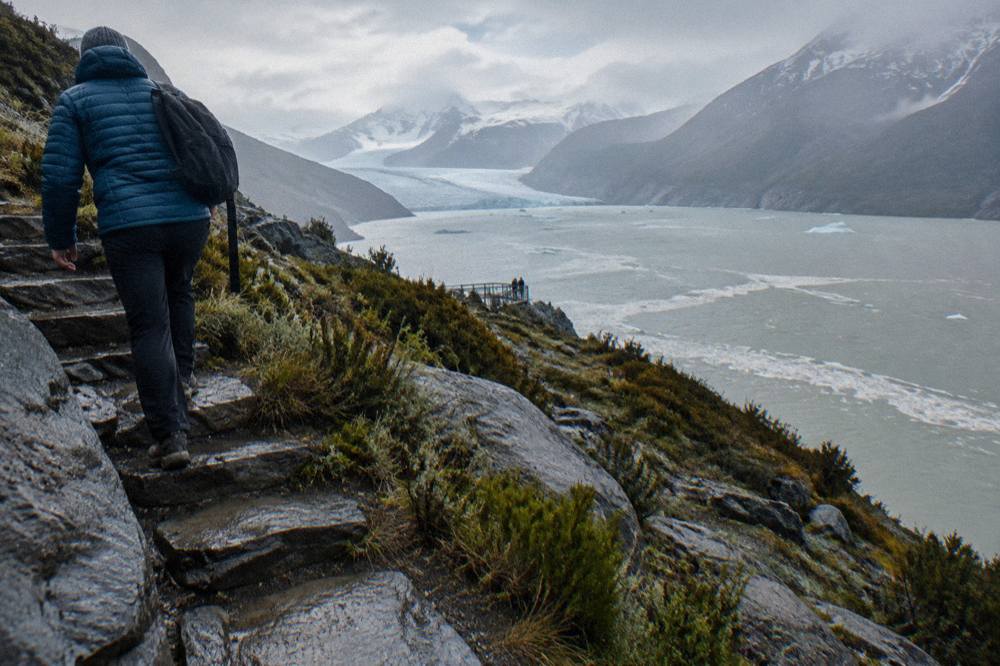
Every guest walks the same 1.5 km track each way, in about 25 minutes per direction, from the Blue Lakes car park down to the lake jetty. The surface is uneven, with loose rocks, small hills, and a relatively steep slope at the end. Clothing that suits a boat does not automatically suit that walk, so your outfit has to work in both settings.
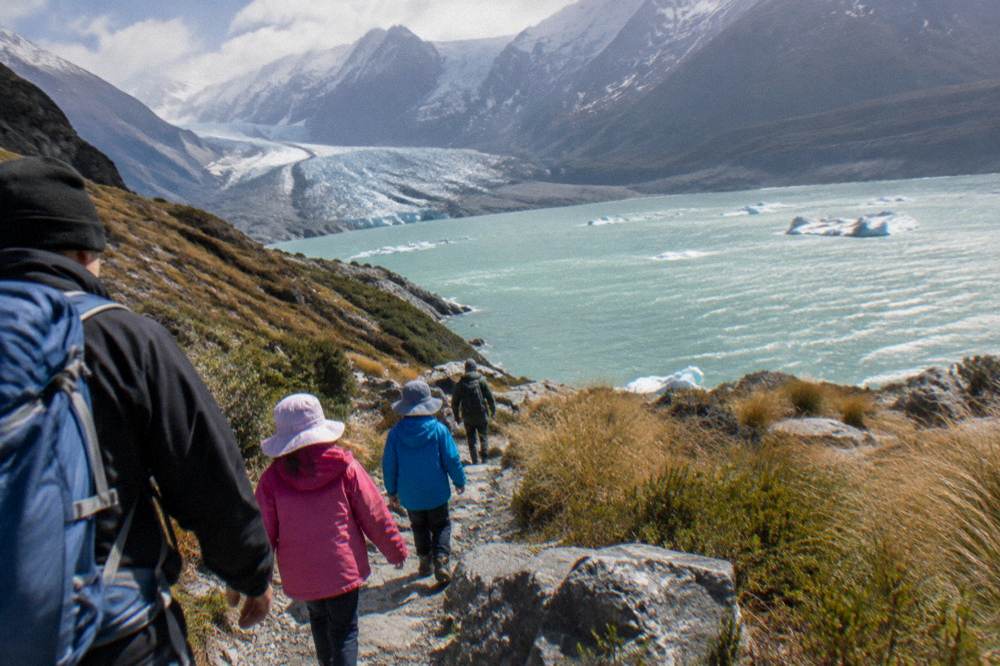
The practical consequence is that whatever you wear must work while moving briskly on broken ground and then stand still in wind. Trousers that allow a full stride beat tight jeans. A layer you can shed at the top of the track and tie around your waist beats a single heavy coat that has you sweating on the descent and shivering an hour later. And shoes come first: this is a walking track with a steep finish, not a stroll to a viewpoint, and the gear section below treats footwear in full.
It helps to know the walk is not the famous viewpoint walk. The Department of Conservation describes the Tasman Glacier View Track as a separate 1.5 km return climb with 300 or more steps to a viewpoint above the lake. The boat's walk is different: downhill to the jetty on the way out, and uphill on the way back, which is when legs and lungs notice the altitude of the valley. Some visitors do both in one day, which doubles the case for the footwear and layers described here. The details of the two tracks side by side are in the Blue Lakes and Tasman Glacier view walk guide.
Guests reach the Blue Lakes car park by bus from the Hermitage Hotel in the village, a short drive, after checking in at the Activities Centre on the hotel's ground floor 30 minutes before departure. Nothing about that logistics chain changes the clothing list, but it explains why the operator cannot soften the walking requirement: the track is the only way to the jetty.
If the whole picture of driving yourself to the valley versus joining a guided day trip is part of your planning, the choices below are the Christchurch departures that reach Aoraki / Mount Cook with lunch and hotel pickup included. None includes the boat, which is always booked separately with the operator.
What Shoes Do You Need For The Tasman Lake Boat Trip?
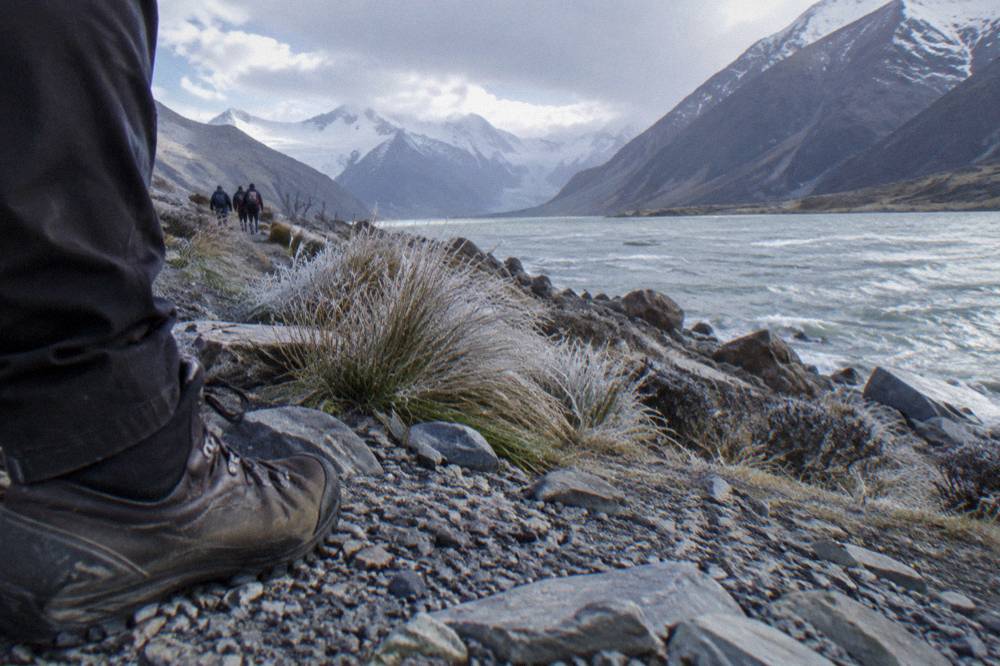
Sturdy walking shoes with real grip are the operator's stated requirement, chosen for uneven terrain. The track surface is loose rock and dirt with small hills and a relatively steep slope at the lake end, walked at a pace of 1.5 km in 25 minutes each way. Smooth-soled sneakers, sandals and dress shoes all fail on that surface, wet or dry.
The word sturdy is doing honest work in the operator's guidance. This is not a paved path or a boardwalk. Loose rock rolls under thin soles, and the steep final slope to the lake rewards tread and ankle support. A walking shoe or light hiking boot with a lugged outsole is the sensible floor; a trail runner with good grip also works for confident walkers. What does not work is anything you would wear to a city dinner, and flip-flops are a genuine safety problem on a surface that shifts.
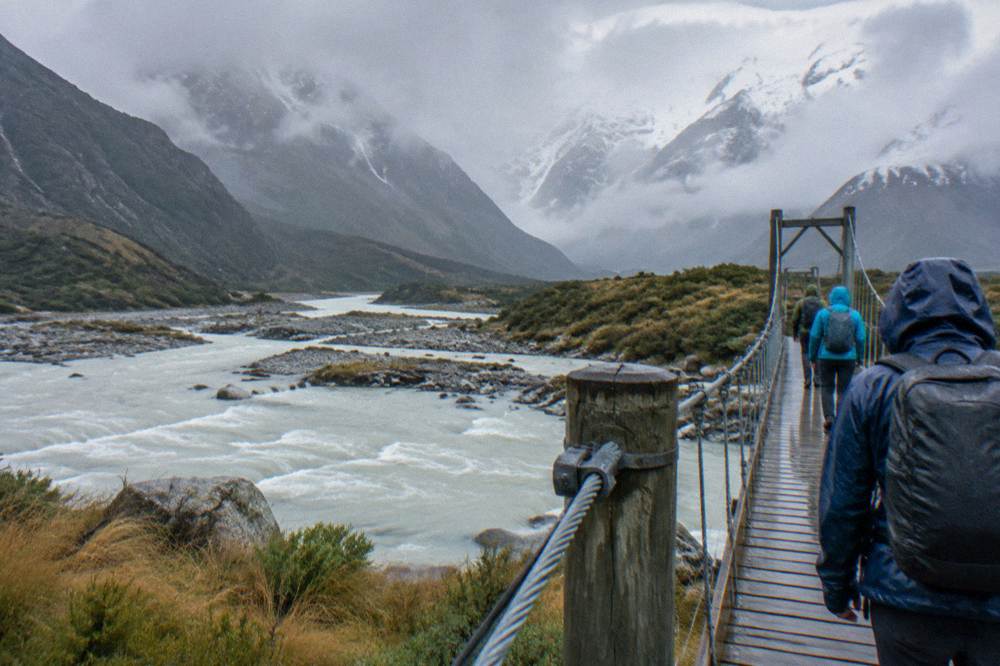
Wet weather raises the bar rather than changing it. Rain settles the dust but slicks the rock. If rain is in the forecast, a boot with a waterproof membrane keeps the second half of the trip comfortable, because you walk out, spend an hour on the lake, and walk back with no chance to change shoes in between. Socks matter more than people expect: a proper walking sock, not cotton, prevents the rubbing that a 25 minute brisk walk with a climb can cause.
| Footwear Type | Suitability For The Boat Walk | The Reason |
|---|---|---|
| Light hiking boot | Strong choice | Grip, ankle support, waterproof options |
| Walking shoe with lugged sole | Strong choice | Grip and comfort at lower weight |
| Trail running shoe | Workable for sure-footed walkers | Good grip, less ankle support |
| Everyday sneakers | Poor | Smooth soles slip on loose rock |
| Sandals or flip-flops | Not acceptable | No protection, no grip, loose surface |
| Dress shoes | Not acceptable | Smooth leather soles, no support |
The same shoes carry you through the rest of a day at Aoraki / Mount Cook if you are combining the boat with other walking, which most visitors do. If a sturdier question is on your mind, whether one day can hold both the boat and the Hooker Valley Track, there is a full answer in the boat trip and Hooker Valley Track in one day guide.
A practical note for anyone arriving on a guided day trip rather than driving: you step off the tour vehicle straight into the boat's timeline if you have a booking, with the 30 minute check-in already counting down. The most reviewed Christchurch departure, rated 4.8 across 658 reviews and priced from $144 per person, gives 150 minutes of free time at Mount Cook, which the timing guides treat honestly as shorter than the boat's full door to door span of about 195 minutes on paper. Check the timing with both the day tour operator and the boat operator before you rely on it. More detail on that comparison sits in which Mount Cook day trip leaves time for the boat.
How Cold Is It On Tasman Lake At Aoraki / Mount Cook?
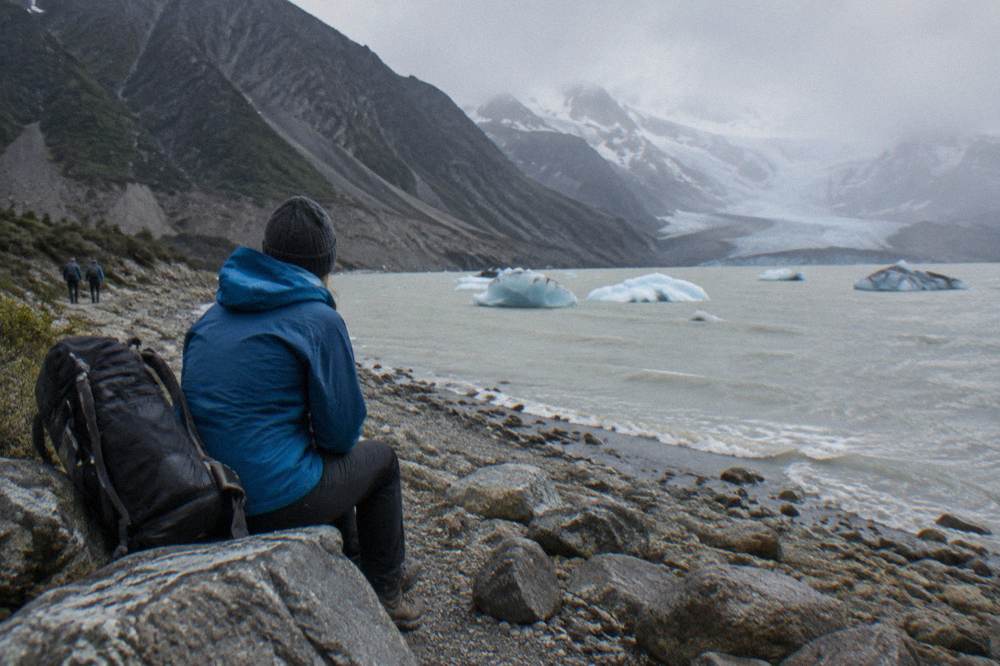
No temperature figure for the lake is published by the operator, and none is invented here. The structural facts hold: the lake sits at the foot of a 23 km glacier, the trip spends about one hour on the lake, and the Head Guide decides just before each departure whether the trip runs. Dress for colder than the village feels.
The honest way to plan is to treat the lake as one to two steps colder than the car park, whatever the season. Wind funnels down the Tasman Valley and across the water, and the boat moves, which adds its own chill factor on top. People who dressed for the village air are the people standing at the jetty wishing for a layer they left in the hotel. The operator's fully refundable if cancelled due to weather promise cuts both ways: the same conditions that can end a trip can also make a trip that does run feel raw, so the layers earn their space in your bag either way.
The lake itself is a product of that cold. Tasman Lake did not exist until 1974, and the Department of Conservation notes it is growing rapidly as the glacier melts. Water that comes off ice holds the temperature of ice, and the air just above it behaves accordingly. That is also why the boat season has a winter question attached: winter lake ice can close the boat, so check winter dates with the operator. Winter opening is unsettled on the operator's own pages; the season and times guide has the detail. Confirm dates with the operator before you plan a winter trip; the season detail is covered fully in the boat tour season and times guide. If you're still weighing whether the boat is the right way to see the glacier at all, the guide to choosing between the Tasman Glacier boat tour and a heli hike walks through cost, fitness, and timing side by side.
For the days when the weather closes the trip entirely, the operator offers an alternative trip time or a full refund, and that decision is made just before each departure by the Head Guide. How that plays out, and what to do with a day at Aoraki / Mount Cook when the boat cannot run, is laid out in the weather and cancellations guide, which also links the Hermitage live webcam for a same-day look at conditions.
Do You Need Sunglasses And Sunscreen At Aoraki / Mount Cook?
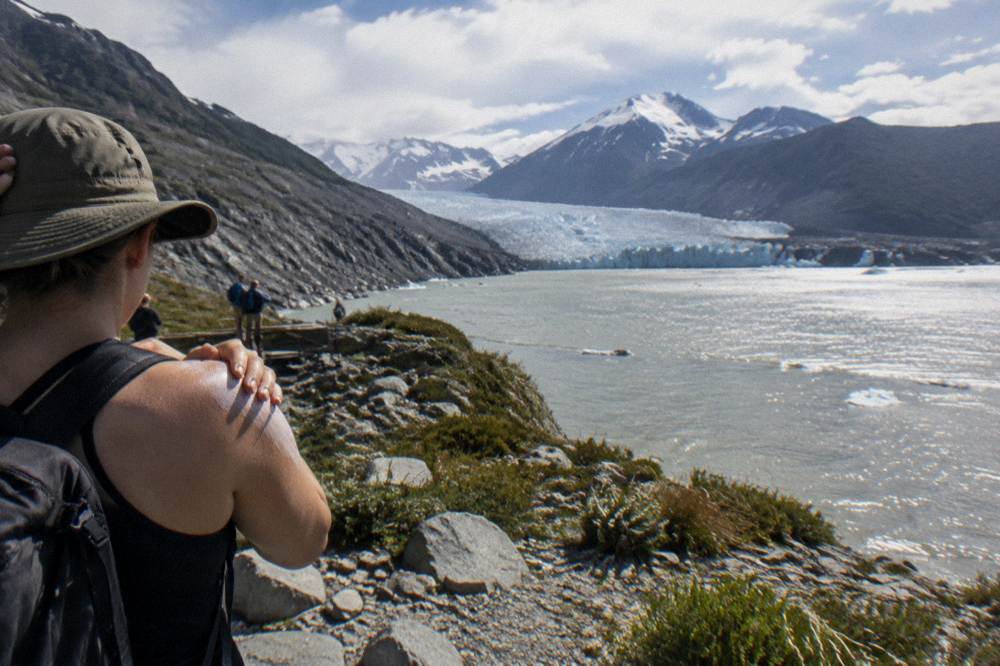
Yes, and the operator lists both without seasonal qualification. UV radiation strengthens with altitude, the valley sits high, and the surfaces of the trip, water, pale rock moraine and old snow, reflect sunlight upward into faces that a hat alone does not shade. Sunglasses and sunscreen belong in the kit on overcast days too, because thin cloud diffuses light without blocking the burn.
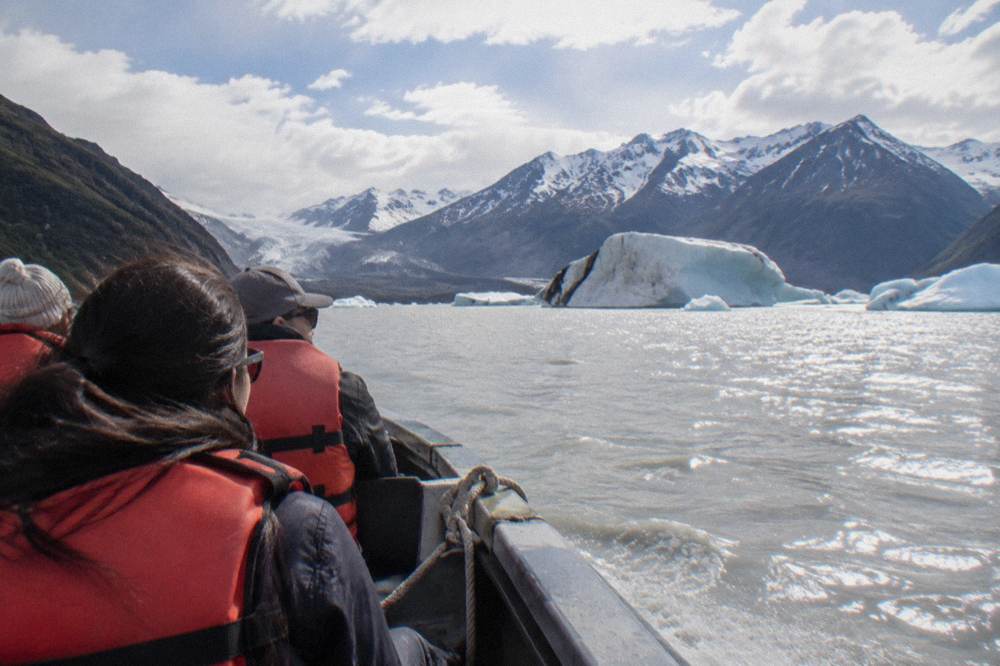
The reflection point is the one first-time visitors miss. On the boat you are surrounded by two mirrors: the lake surface and the grey rock walls of the moraine. On the walk you have the same rock underfoot and around you, often in bright low-angle light morning and afternoon. Wraparound or close-fitting sunglasses beat fashion frames for the boat, where wind adds teary eyes to glare. Sunscreen goes on before the walk, not at the jetty, and lip balm with SPF is a quiet favourite of frequent mountain visitors. Everything else covered here is indexed on Tasman Glacier Boat Tour.
This is also the cheapest insurance in the whole packing list. Compared with the boat's own prices, from NZ$219 for adults aged 15 and over, from NZ$99 for children aged 4 to 14, and a family pass from NZ$576 covering two adults and two children, all set by the operator and booked by phone or email, a tube of sunscreen and a pair of sunglasses cost almost nothing and protect the only face you have. The full cost picture, including how the NZ$ boat prices relate to the USD day-trip prices, is untangled in the Tasman Glacier boat trip cost guide.
What Equipment Does The Glacier Explorers Operator Provide?
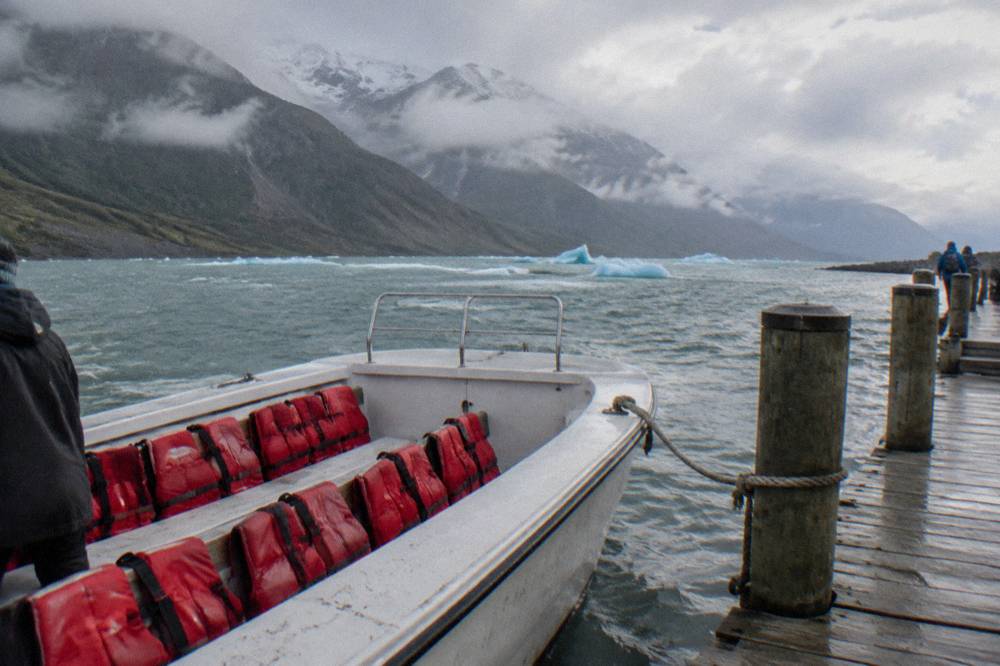
The operator's clothing guidance ends with the line that additional equipment is provided where required, and that is the only equipment claim the official pages make. Guests are not told to bring their own specialist kit for the lake phase, and no precise equipment list beyond that sentence is published. Everything else on your back, warm layers, shoes, jacket, eyewear, is your own responsibility.
That sentence deserves a plain reading rather than an expanded one. It means the operator fills genuine gaps for the on-water phase where the trip requires it, and it does not mean the operator supplies a full set of outdoor clothing for people who arrive unprepared. Planning should assume you bring everything on the operator's own list, warm layers, sturdy shoes, waterproof jacket, sunglasses, sunscreen, and treat anything provided beyond that as a bonus rather than a plan. Any description of specific equipment items beyond that sentence would be inventing a claim the official pages do not make, and this guide will not do that.
What to wear in the practical sense, then, is a short and checkable list, and the table below keeps it honest against the source:
| Packing Question | The Verified Answer |
|---|---|
| Warm layers? | Yes, operator listed, needed across walk and lake phases |
| Sturdy walking shoes? | Yes, operator listed, for uneven terrain on the 1.5 km track |
| Waterproof jacket? | Yes, operator listed, wind and spray on open water |
| Sunglasses? | Yes, operator listed, glare off water and rock |
| Sunscreen? | Yes, operator listed, strong UV at altitude |
| Specialist equipment from home? | Not requested; additional equipment is provided where required |
| Minimum age for the trip? | 4 years, per the operator's FAQ |
Booking runs directly with the operator, by phone or email, through Glacier Explorers, and the operator recommends pre-booking because of high demand. That booking is entirely separate from any day trip, and no tour on this site includes the boat or sells it. The how-to is written up in the how to book the Tasman Glacier boat tour guide.
What Should Children Wear On The Tasman Lake Boat Trip?
Children aged 4 to 14 are welcome, the minimum age is 4, and the operator calls the trip suitable for families, but the walking rule applies to small legs exactly as it does to adults: 1.5 km each way in about 25 minutes per direction over uneven ground. Dress children in the same layers and the same sturdy shoes as everyone else, with spares for the end of the trip.
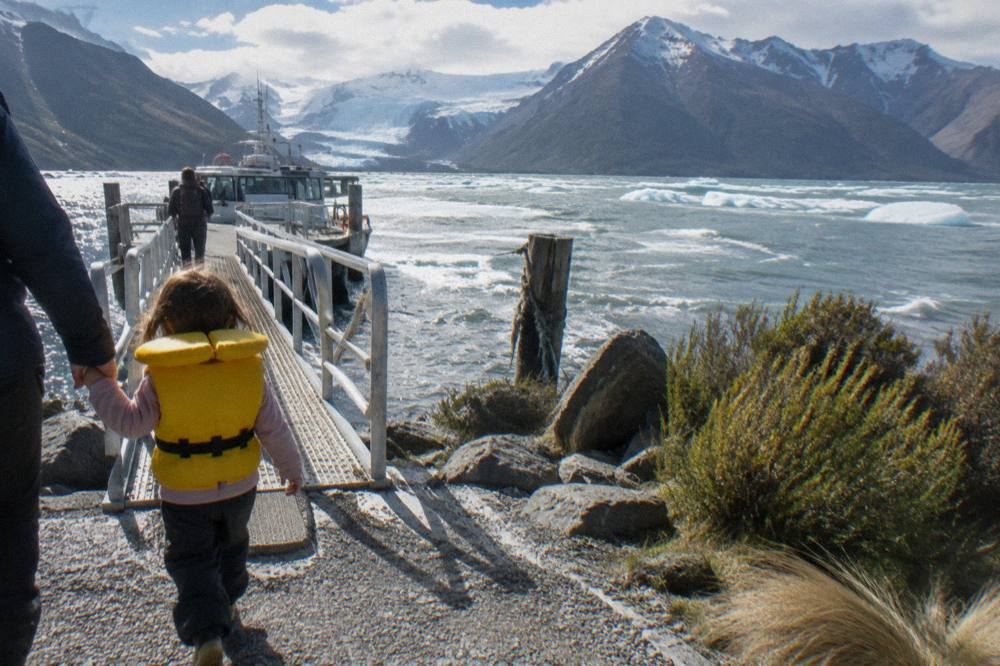
The 25 minute walking window is the planning fact for parents. A child who walks the track comfortably at home on pavement may slow on loose rock, and the boat's schedule does not stretch for stragglers, because departures run through the morning and afternoon and each trip has its own check-in. Shoes with real grip, a warm layer that zips rather than pulls over the head, and a jacket small enough to actually wear on the boat are the working answers. Gloves and a hat earn their place for children on the lake phase in any season, and the child price of from NZ$99, set by the operator, buys the same hour on the water as the adult fare.
Spares are the quiet professional touch: a dry pair of socks and an extra mid layer left on the bus or with a non-boating member of the party turns a damp return walk into a minor event rather than a cold hour. Families weighing whether the trip suits their children at all can read the full treatment in the Glacier Explorers with kids guide, and the meeting logistics are in where do you meet the Glacier Explorers boat.
How Does Packing Differ For A Mount Cook Day Trip?
A day trip adds a long road journey to the boat's short alpine day, so the packing list grows rather than changes: the boat's five clothing items stay, and you add food or lunch money, water, and whatever the day's other stops demand. Christchurch day trips run about 13 hours in total, Queenstown trips up to 13, and Lake Tekapo departures as little as 5, so the day's length should drive the bag.
The road is the hidden clothing factor. The drive from Christchurch is long, the Department of Conservation puts it at about 4.5 hours, and the Hermitage FAQ says allow 4 hours 15 minutes to the hotel, so the same clothes serve a bus, a lakeside photo stop, an alpine walk and a boat across a span of more than half a day. Layers again answer everything: what is right for a warm midday stop at Lake Tekapo is wrong on the lake at the foot of the glacier, and a bag with one spare mid layer and a beanie covers the gap. Road conditions into the park can change with snow in the winter months, and current highway status for the approach road is on the NZTA journey planner for the Mount Cook highway.
What each departure city adds to the packing question:
| Departure City | Typical Day Length | Free Time At Mount Cook | Lunch | Packing Addition |
|---|---|---|---|---|
| Christchurch | 13 hours | 150 minutes on several tours | Included on the main tours | Long-day layering, pillow for the drive |
| Queenstown | Up to 13 hours | 210 minutes on the scenic small group tour | Included on one tour, not on most | Food money or packed lunch |
| Lake Tekapo | 5 to 8.5 hours | 150 minutes on one small group tour | Included on some | Least extra kit, half-day flexibility |
| Wanaka | 10 hours | 120 minutes on the day tour | Included | Spare layer for the Clay Cliffs stop |
None of these day trips includes the boat; if you want it, book it separately with the operator. The honest timing caveat repeats here because it matters: the boat needs about 195 minutes on paper, check-in plus trip, and only the Queenstown scenic small group tour's 210 minutes of village free time exceeds that, so confirm the fit with both operators before depending on it. The cheapest of the well-reviewed options among the departures, judged only where review counts are large enough to mean something, is the Tekapo Shuttle day tour from Lake Tekapo, from $94 per person and rated 4.8 across 441 reviews, while the most reviewed tour of all is the Christchurch Mount Cook and Lake Tekapo day tour at 658 reviews. The cheapest-versus-dearest question is answered with counts named in the Mount Cook day tour prices guide.
What Can You Leave Behind For Aoraki / Mount Cook?
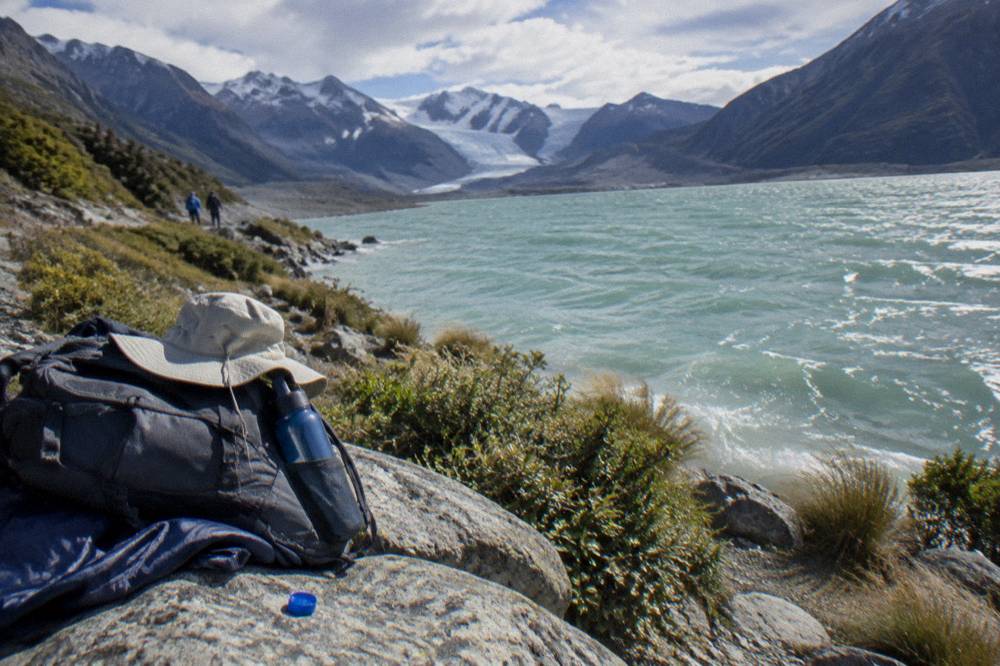
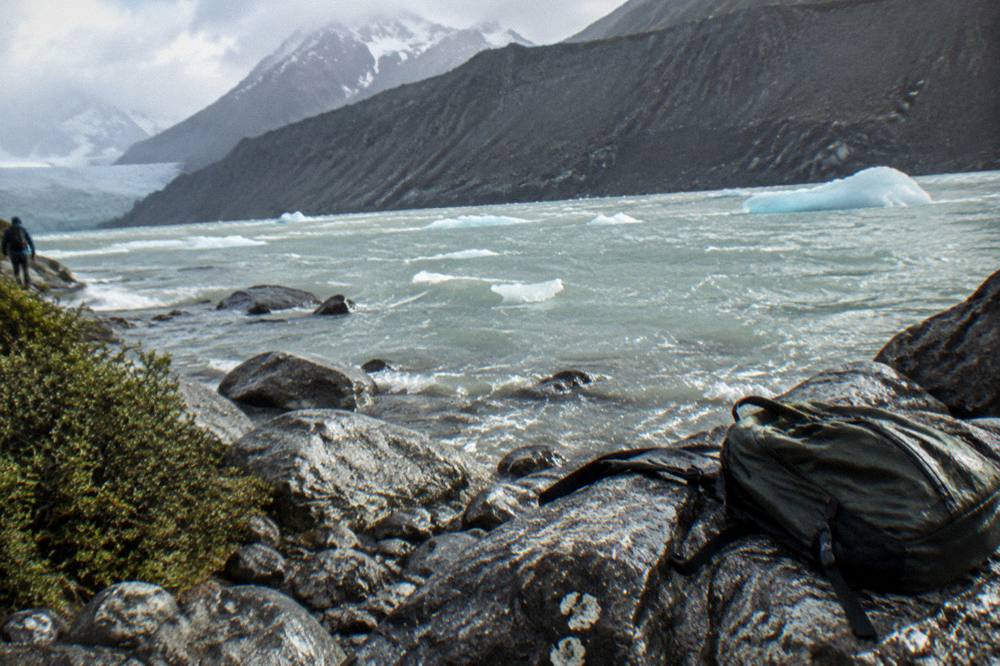
Leave behind specialist boat clothing, hard cases, and any single heavy coat meant to do the work of layers. The trip supplies what the lake phase requires beyond your own clothing, the walk needs free hands and mobile legs, and the village has a retail store for genuinely forgotten basics rather than a full outdoor shop, so the bag you carry is the kit you have.
The heavy coat point is the commonest packing error. One thick parka is too warm for the walk down, unadjustable on the boat, and a burden to carry when the sun comes out at the lake. Two or three lighter layers do everything the parka does with control, and they pack smaller. Hard-sided luggage has no place on the boat's bus or the track; a small day pack that leaves your arms free is the right container for water, sunglasses, sunscreen and the spare layer.
A short leave-behind list, kept to what the facts support:
| Leave It At The Hotel | The Reason |
|---|---|
| One heavy parka instead of layers | Overheats on the walk, unadjustable on the lake |
| Hard-sided luggage | Not stated by the operator |
| Fashion footwear of any kind | Uneven, loose, steep track surface each way |
| Cotton socks | Rubbing on a brisk 25 minute walk with a climb |
| Umbrella | Wind on the boat makes a waterproof jacket the working answer |
The village context seals the case for packing carefully rather than patching gaps on arrival. The Hermitage FAQ is blunt that there are no shops or convenience stores in the village, only a retail store selling outdoor apparel, souvenirs and snacks, and the nearest supermarkets are Twizel at about an hour and Tekapo at about 1 hour 30 minutes by car. Whatever clothing plan you bring is the plan you have. The wider set of things that cost nothing once you are there is listed in the free things to do at Aoraki Mount Cook guide.
For the questions a packing list raises most often, the answers below stay inside the verified facts: the operator's clothing list, the walk's demands, the lake's conditions and the booking basics.
Common Questions About What To Wear On The Tasman Glacier Boat Trip
What Should You Wear On The Tasman Glacier Boat Tour?
Warm layers you can add and remove, sturdy walking shoes for uneven terrain, a waterproof jacket, sunglasses and sunscreen. Additional equipment is provided by the operator where required. The list covers both the 1.5 km walk each way and about an hour on the open water of Tasman Lake.
What Shoes Do You Need For The Tasman Glacier Boat Tour?
Sturdy walking shoes or light hiking boots with real grip. The track from the Blue Lakes car park to the lake jetty is 1.5 km each way, covered in about 25 minutes per direction, with loose rock, small hills and a relatively steep slope at the end. Sneakers, sandals and dress shoes are not up to that surface.
Do You Need Sunglasses And Sunscreen At Aoraki / Mount Cook?
Yes, and the operator lists both. UV strengthens with altitude, and the trip's surfaces, lake water, pale moraine rock and old snow, reflect light upward. Both belong in the kit on overcast days as well as bright ones.
What Equipment Does The Glacier Explorers Operator Provide?
The official position is that additional equipment is provided where required. No detailed equipment list is published beyond that, so bring everything on the clothing list yourself and treat anything supplied on the day as a bonus.
What Should Children Wear On The Tasman Glacier Boat Tour?
The same kit as adults, in their size: warm layers, grippy shoes and a waterproof jacket. Children aged 4 to 14 pay from NZ$99, the minimum age is 4, and the 25 minute walking window each way applies to young legs exactly as it does to adults.
How Cold Is It On Tasman Lake At Aoraki / Mount Cook?
No lake temperature figure is published. What is certain is the structure: an hour on open water at the foot of a 23 km glacier, exposed to valley wind, with the Head Guide cancelling trips for weather just before departure when conditions demand it. Dress one to two steps warmer than the village feels.